

Understanding the psychology of players in casinos What drives decision-making
The Allure of Casinos: Understanding Player Motivation
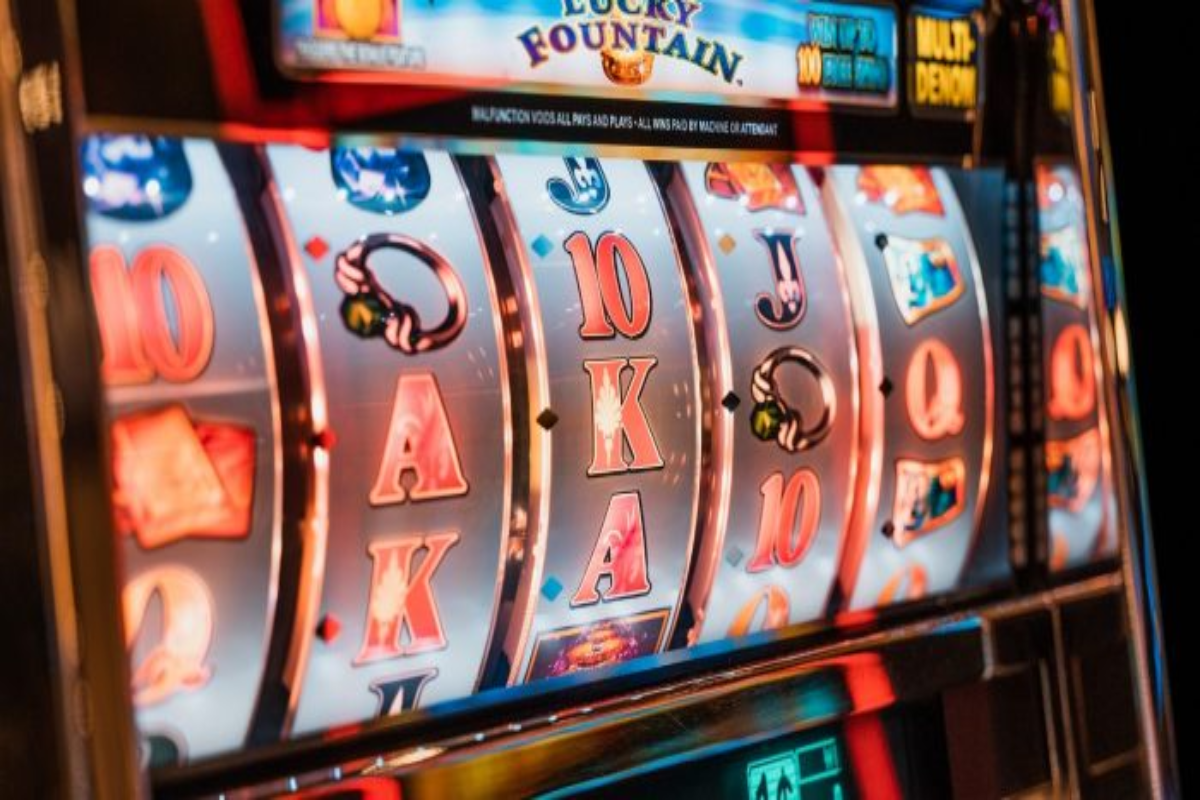
Casinos are designed to captivate players, often using an array of sensory experiences to stimulate the senses and encourage extended play. The flashing lights, vibrant colors, and engaging sounds create an immersive environment that draws players in. This atmosphere enhances the excitement and anticipation surrounding gambling, which can lead to increased decision-making impulsiveness. When players are surrounded by such stimuli, their emotional responses may override logical thinking, pushing them to make bolder wagers. For those seeking a streamlined approach, play id offers a convenient solution that can enhance the overall gaming experience.

The thrill of potentially winning big also plays a significant role in motivating players to participate in casino games. Players often enter casinos with the hope of striking it rich, which can be an exhilarating prospect. This desire for a financial windfall can create a dopamine rush, making players more inclined to take risks. The unpredictability of games like slots or poker adds to this thrill, leading players to make decisions that might not align with their rational judgment.
Furthermore, social interactions within casinos contribute to the overall player experience. Engaging with fellow gamblers or casino staff can enhance the enjoyment of the gaming experience. This camaraderie can motivate players to stay longer and gamble more, as they feed off each other’s enthusiasm. Ultimately, the combination of sensory stimulation, the thrill of potential rewards, and social engagement can create a powerful driving force behind player decision-making in casinos.
Risk and Reward: The Psychological Calculation
The concept of risk versus reward is central to understanding player behavior in casinos. Players often weigh the potential benefits of winning against the likelihood of losing. This decision-making process is influenced by various cognitive biases, such as the illusion of control, where players believe they can influence the outcome of a game despite it being purely based on chance. This belief can lead to more frequent and riskier bets, as players feel empowered by their perceived control.
The framing effect is another psychological phenomenon that affects decision-making. For instance, a player may react differently to a game framed as having a “90% chance of winning” compared to one framed as having a “10% chance of losing,” even though both statements convey the same information. Such cognitive biases can lead players to make decisions that are not necessarily in their best financial interests, demonstrating how psychological frameworks can shape gambling behaviors.
Moreover, the concept of loss aversion plays a crucial role in how players approach their gaming decisions. Research indicates that the pain of losing is often felt more acutely than the pleasure of winning. This can lead players to chase their losses, making irrational decisions in an attempt to recover funds they lost. Understanding these psychological mechanisms can help casinos tailor their marketing strategies and gaming experiences, ultimately influencing how players make decisions while gambling.
The Role of Casino Design in Decision-Making
The design of a casino plays a pivotal role in shaping the psychological landscape for players. Layouts are meticulously crafted to create an environment that encourages exploration and prolonged engagement. For example, casinos often avoid windows and clocks to create a timeless atmosphere, making it difficult for players to track the passage of time. This design choice can lead to longer playing sessions, as players become engrossed in their experiences.
Furthermore, strategically placed games and amenities can guide player behavior. High-stakes games are often located near popular attractions or amenities like bars and restaurants, which can lure players into participating. By creating a seamless flow between gaming and social areas, casinos can enhance the overall experience, prompting players to make decisions that favor extended play. This careful orchestration of design elements illustrates how casinos capitalize on human psychology.
Additionally, the presence of loyalty programs can significantly influence player decision-making. These programs are designed to reward consistent players with points or bonuses, enticing them to return to the casino regularly. The psychology of receiving rewards can bolster a sense of belonging and loyalty to a particular casino. As players accumulate points, they may feel compelled to play more frequently and for longer durations to maximize their rewards, further embedding them into the casino’s ecosystem.
The Impact of Online Gambling on Player Psychology
The rise of online gambling has transformed the landscape of decision-making for players. Unlike traditional casinos, online platforms offer a more convenient and often anonymous way to gamble, which can lead to increased impulsivity in decision-making. The ease of access to online casinos means that players can engage in gambling activities at any time, sometimes leading to excessive playing sessions that might not occur in a physical setting.
Moreover, online casinos utilize sophisticated algorithms to create personalized experiences for users. By analyzing player behavior and preferences, these platforms can tailor game recommendations and promotions, further influencing decision-making. The psychological impact of receiving personalized offers can create a sense of urgency or a fear of missing out, prompting players to make quicker decisions and wager larger sums than they might in a traditional casino.
Additionally, the incorporation of social features, such as chat rooms and leaderboards, allows online players to engage with others, emulating the social atmosphere of physical casinos. This social interaction can enhance the overall experience, further motivating players to participate. However, the online environment can also lead to distractions that may influence decision-making negatively, as players juggle multiple tabs and notifications during their gaming sessions.
Exploring PlayID: A Seamless Experience for Casino Enthusiasts
For casino players looking to enhance their gaming experience, PlayID serves as a groundbreaking solution. This e-wallet consolidates user identities and funds into a single application, simplifying the online gambling journey. With rapid access to various partner casinos, players can focus on the excitement of gaming rather than navigating cumbersome verification processes. This streamlined approach is designed to optimize player decision-making by reducing friction and enhancing accessibility.
The platform also features a centralized bankroll management system, allowing users to keep track of their spending and winnings effectively. This can help players make more informed decisions about their gaming behavior, reducing the chances of impulsive bets that may occur in a less structured environment. Moreover, the unique Vault option enables players to earn interest on idle funds, promoting a more responsible approach to bankroll management.
Newcomers to the online gambling scene can benefit from exclusive bonuses and promotions, making PlayID an attractive option for enhancing the overall gaming experience. By combining convenience, security, and financial incentives, PlayID not only supports players in making sound decisions but also enriches their journey within the online casino landscape. This innovative platform ultimately reflects an understanding of the psychological factors at play in the world of gambling.